
The Permanent Ban on Himass and TanVuu: When PUBG Writes the Rule After the Verdict
**Câu trả lời cốt lõi:** KRAFTON đã cấm vĩnh viễn hai tuyển thủ PUBG Việt Nam là Himass (Lã Phương Tiến Đạt) và TanVuu (Trần Tấn Vũ) khỏi toàn bộ giải đấu PGC, PGS và PNC, đồng thời thu hồi tư cách Đối tác PUBG Việt Nam, sau cáo buộc stream sniping tại showmatch PUBG Asia Stars 2026. **Sự kiện chính:** - Án phạt có hiệu lực toàn cầu và vĩnh viễn, bao gồm PGC, PGS và PNC do KRAFTON tổ chức hoặc phê duyệt. - KRAFTON thừa nhận công bố án vội vàng trước khi hoàn tất xác minh và đã xin lỗi công khai. - Điều tra xác nhận hai tuyển thủ nhận thông tin từ khung chat nhưng không kết luận họ xem màn hình đối thủ. - Tại thời điểm sự việc, bộ luật giải đấu không có điều khoản cấm nhận thông tin từ khung chat. - Tin đồn chưa xác minh: năm tổ chức Việt Nam rút lui và PUBG Vietnam Series có thể bị hủy. **Nguồn:** Phân tích chuyên sâu Stage-2 dựa trên thông tin công khai, mốc tham chiếu ngày 9 tháng 9 năm 2026 | Cross-checked: VuaBong.vn **Hỏi đáp liên quan:** Q: Himass và TanVuu có thể kháng cáo không? A: Có, hai tuyển thủ vẫn giữ quyền kháng cáo và kết quả sẽ quyết định tiền lệ xử phạt của KRAFTON. Q: Việt Nam có bị PUBG rút khỏi thị trường không? A: Chưa có bằng chứng xác thực, vì trang Việt Nam vẫn hoạt động và bản cập nhật 43.1 vẫn chứa nội dung tiếng Việt, dù danh sách ngôn ngữ client không còn hiển thị tiếng Việt. Q: PUBG Vietnam Series có bị hủy? A: Thông tin này mới ở mức tin đồn đơn nguồn và chưa được tổ chức nào xác nhận.
On September 9, 2026, update 43.1 landed on PUBG: BATTLEGROUNDS servers. The game's Vietnam page still carried its Vietnamese content in full — patch notes, event guides, service announcements. That same week, Vietnamese disappeared from the client's language list. Two pieces of data, side by side, contradicting each other, and neither released by the publisher — both screenshotted by the community and passed along.
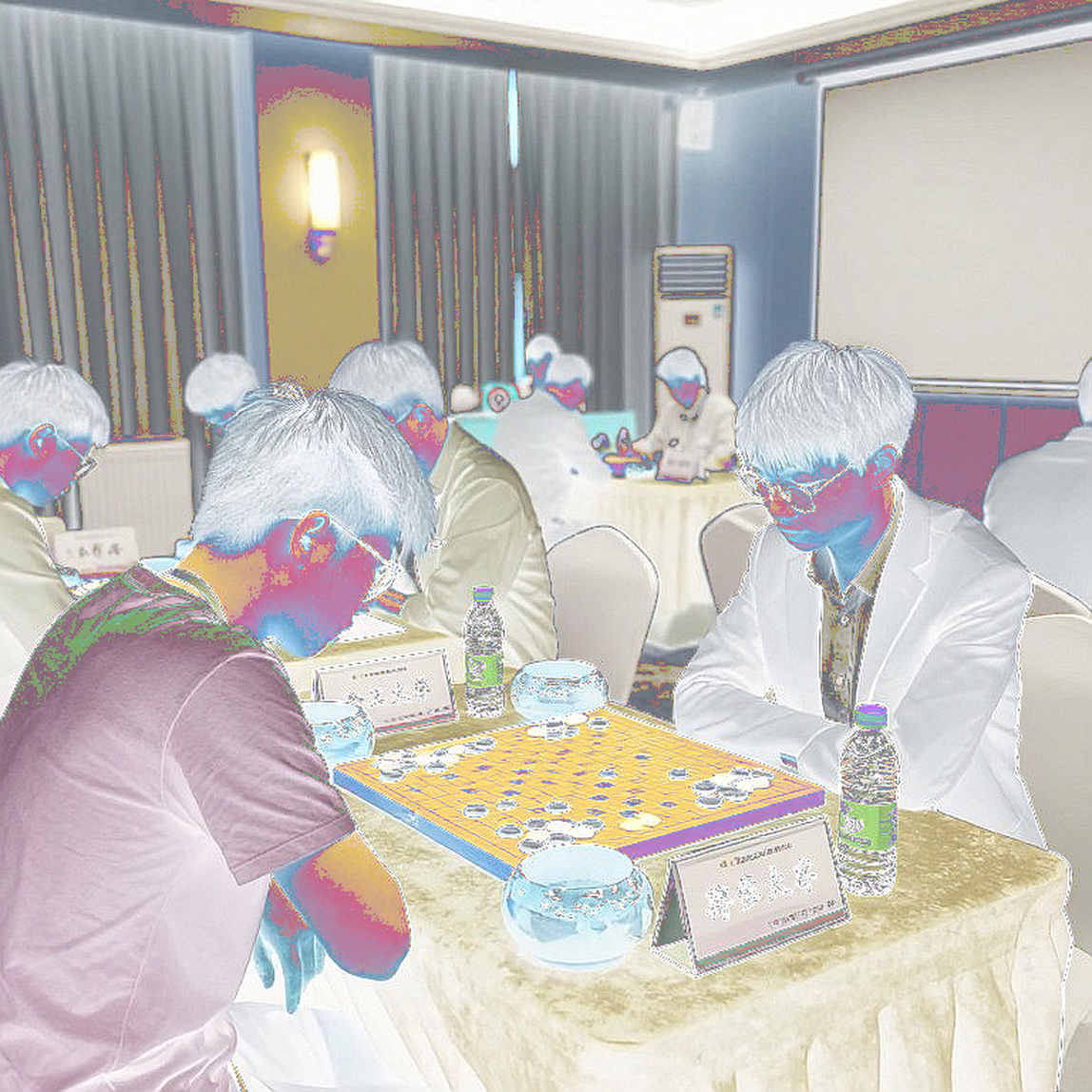
Between them sit two names already on the operating table: Lã Phương Tiến Đạt — Himass — and Trần Tấn Vũ — TanVuu. Two Vietnamese national representatives permanently banned from every KRAFTON-organized or KRAFTON-approved tournament, from PGC to PGS to PNC. Their competitive accounts locked. Their PUBG Vietnam Partner status revoked. The whole sanction traces back to a showmatch at PUBG Asia Stars 2026.
Two national-team slots. An exhibition event. A penalty designed to end careers. I rebuilt the timeline of this chain link by link, because what deserves analysis is not that two people were banned, but the power structure that allowed the ban to exist.
Let me lay out the sequence, using only confirmed markers.
First, a Korean female player and streamer — Soopi — accused Himass and TanVuu of cheating in competition: specifically, watching an opponent's live broadcast mid-match to gain a positional advantage, known as stream sniping.
Next, KRAFTON announced the two players' removal and stripped their Partner status before verification was complete. The publisher then apologized and took responsibility for the hasty, unverified announcement.
Then the investigation findings were published, with two separate conclusions: the two players did receive information from the chat box during competition, but there was no conclusion that they actively watched the opponent's screen. And here is the detail that decides the whole case: at the time of the incident, no rule existed prohibiting the receipt of chat-box information.
Finally, KRAFTON issued a permanent global ban and account lock, citing operation-policy violations in the categories of abuse, game fairness, and conduct standards. The two players retain the right to appeal.
On the periphery but impossible to ignore: Rambo and DJChip — former head coach of the Vietnamese national team — publicly uninstalled PUBG. On social media, unverified reports say AG AL, Finhay Cerberus, The Expendables, Alpha Gaming, and TDT Esports have collectively withdrawn, and that PUBG Vietnam Series may be canceled.
This is where I have to separate two stories the community has fused into one.
The first is a governance dispute — evidenced, timestamped, documented. The second is the claim that "PUBG is abandoning the Vietnamese market," resting on one screenshot of a language list and one Threads post. The heat of the first story is being transferred to legitimize the second. Every overthrow begins with a mistake the crowd overlooks — and the mistake overlooked here is that each side is being held to a different standard.
Structurally, this is a textbook illustration of governance-concentration risk in esports. KRAFTON is simultaneously game publisher, tournament organizer, rule-writer, and enforcement body. When all four roles sit inside one legal entity, no independent arbiter exists to overturn a ruling. An appeal right exists on paper, but it is adjudicated by the same party that issued the ban. This structure is not a PUBG specialty; it is the default of most esports, where the publisher owns the intellectual property and therefore owns the rulebook.
The second problem is proportionality. An incident at showmatch level — a format with lower competitive stakes, typically governed by lighter rules than official league play — produced a penalty with world-championship scope. The ban is not limited to the originating event. It covers PGC, PGS, PNC. It does not merely remove two individuals; it removes a national-team slot from the international stage.
The third problem, and the one I consider most serious as precedent: the conduct penalized was not clearly specified in the rulebook at the time it occurred. In any legal system, retroactive prosecution of conduct not written into law is the gravest error an authority can commit. Esports rulebooks are not exempt from that principle simply because they sit in a private company's hands.
Tactics never live on the whiteboard; they live in the silence of the match. Here, the thing that decided the entire case also lived in the silence of the rulebook: a clause that does not exist.
The fourth: asymmetry in the investigation. The counter-allegations against Soopi — involving multiple open browser windows — were noted but never publicly resolved. When one side is investigated to the end and the other is not, confidence in fairness stops being a Vietnamese community concern alone.
On market data, most of what is circulating is single-sourced. The Threads post about five organizations withdrawing en masse has not been confirmed by any of them. A canceled PUBG Vietnam Series is still rumor. But I understand why that rumor carries weight: PVS is the talent ladder for the entire scene, the place national representatives come from. Canceling PVS would not remove one event — it would cut the base of the pyramid, and the damage would only surface several seasons later.
The talent flow, meanwhile, is far clearer than the withdrawal rumor. The two banned players are reportedly moving to Delta Force. Rambo and DJChip have already left the title. When talent leaves one game's ecosystem for another game entirely, that is no longer internal movement — it is title-level loss, and no domestic redistribution of competitive slots can fix it.
Now the part where I might be wrong, and I need to put it on the table before concluding.
The community is framing the two players as pure victims. The investigation findings do not say that. They confirm the players received chat-box information during competition. That is an inconvenient fact, and public heat is drowning it out. If I skip that detail to please the crowd, I lose the very thing I have spent years building: the principle of leading with data before emotion.
The crowd's fever is the most distorting thing I have ever analyzed. The uninstall wave for PUBG is more symbolic than representative — driven by major names whose followings are large enough to create the illusion of a mass exodus. Uninstall screenshots travel far faster than actual Vietnamese player-count data, and I have no figures on the latter.
On the claim that "PUBG is abandoning Vietnam": the evidence is far weaker than the heat it generates. Vietnamese vanishing from the language list is a signal, not a decision. The Vietnam page is still live. Patch 43.1 still contains Vietnamese content. The likeliest explanation is a client-level change read by the community as a market-level retreat. Those two things are very far apart.
I also don't rule out that KRAFTON is using this sanction as a precedent to deter future competitive-integrity violations. If so, the proportionality still deserves challenge, but the motive behind it would look nothing like what the community is assigning.
My prediction, verifiable: the ban will be reduced or partially lifted on appeal, because the publisher itself admitted a procedural error and because the rulebook had no clear clause at the time of the incident. Partner status is unlikely to be restored as it was. And the most important thing to watch is not the fate of two players, but whether this legal gap gets closed with a more transparent rulebook across the entire Asian system. If that happens, this will be the first time a sanction from a showmatch forces an entire esports scene to rewrite its own rulebook.